
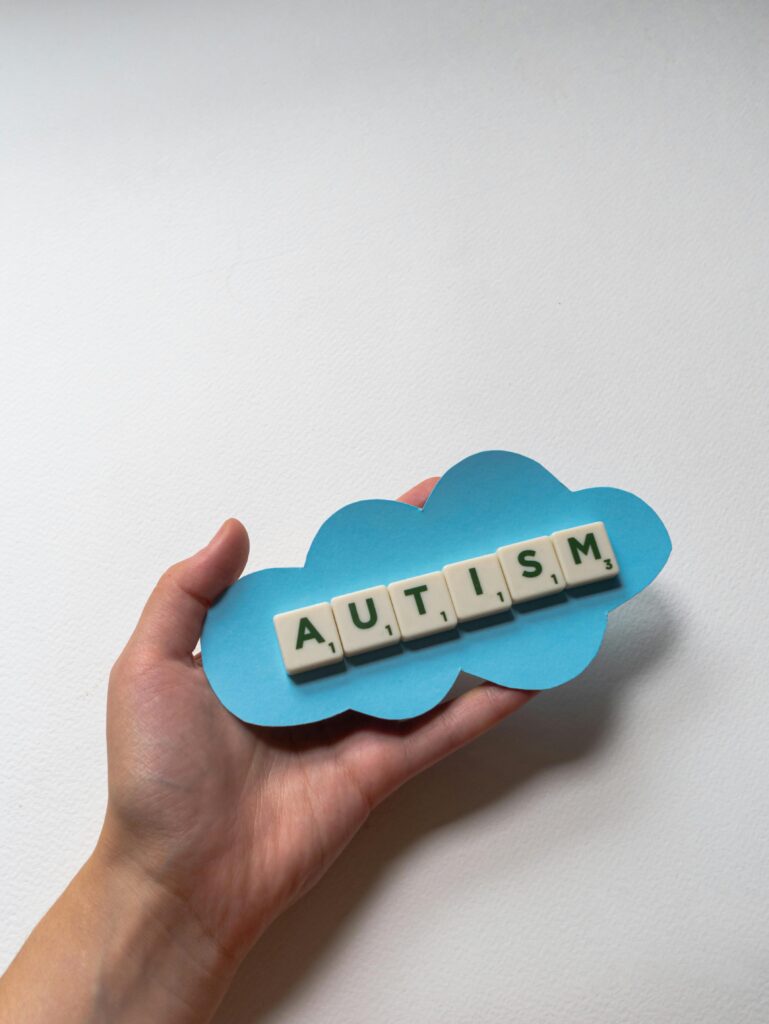
Autistic kids are amazing, complex, and unique—but they often come with a set of assumptions from the world around them. Parents, teachers, and even well-meaning peers sometimes make these assumptions without realizing the impact. While assumptions may come from a good place, they can unintentionally limit growth and opportunities. Here are five common misconceptions and how to flip them into supportive approaches.
1. “They don’t want friends.”
Many people assume autistic kids prefer to be alone or aren’t interested in social connections. In reality, many autistic children do want friendships, but they may struggle with the social cues or communication styles that neurotypical kids take for granted.
Support tip: Encourage structured social opportunities, pair them with a buddy, and teach social scripts when needed.
2. “They need to be fixed.”
Autism is often framed as a problem to be corrected. This can make children feel like something is wrong with them, rather than helping them develop strategies to thrive in a neurotypical world.
Support tip: Focus on building skills and self-advocacy, not “curing” autism. Celebrate strengths while supporting areas of challenge.
3. “They are not empathetic.”
Some assume autistic children lack empathy because they may struggle to express emotions in expected ways. Many are deeply empathetic but show it differently—through actions, routines, or intense concern for fairness.
Support tip: Pay attention to nonverbal cues and acknowledge their ways of expressing care. Validate their feelings and encourage expression in their own style.
4. “They are bad at communication.”
Autistic kids often have unique ways of communicating. Some speak very little, some use alternative or augmentative communication (AAC), and some speak in very literal or direct ways. Assuming they “cannot communicate” can prevent adults from truly listening.
Support tip: Respect and support all forms of communication—verbal, signed, or AAC. Listen first, then respond.
5. “They won’t succeed in mainstream settings.”
People often underestimate what autistic children can accomplish academically, socially, or professionally. Low expectations can become self-fulfilling prophecies.
Support tip: Set high—but realistic—expectations, provide scaffolding, and give them opportunities to show what they can do.
Final Thought
Assumptions can unintentionally hold autistic children back. By challenging these misconceptions, focusing on strengths, and offering targeted support, parents and educators can open doors to meaningful connections, learning, and independence.